
Over the past decade, a new type of neighborhood has begun to reshape residential development across the United States. Known as agrihood communities, these neighborhoods place working farms, gardens, and natural landscapes at the center of everyday life.
For many homebuyers, the concept feels both innovative and deeply familiar. It combines modern community planning with something timeless: the connection between people, land, and food.
As more families prioritize wellness, sustainability, and meaningful community experiences, agrihoods are emerging as one of the most compelling alternatives to conventional suburban development. In markets like Chattanooga, where natural beauty and outdoor living already shape the regional lifestyle, this movement is beginning to take hold in a meaningful way.
What Is an Agrihood Community?
The term agrihood is a combination of the words agriculture and neighborhood. At its core, an agrihood is a thoughtfully planned residential community organized around agriculture, wellness, and shared stewardship of the land.
Unlike traditional subdivisions that center around amenities such as golf courses or swimming pools, agrihood communities prioritize productive landscapes and natural ecosystems. Farms, gardens, orchards, and greenhouses become part of the neighborhood infrastructure, creating an environment where residents interact with the land and each other in meaningful ways.
In many agrihoods, residents have access to fresh produce grown within the community itself. Seasonal harvests, educational programs, and farm gatherings often become part of the rhythm of neighborhood life. The result is a community that functions less like a conventional subdivision and more like a living ecosystem.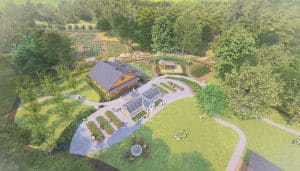
The Rise of Farm-to-Table Living
One of the defining ideas behind agrihood communities is the concept of farm-to-table living. Rather than relying entirely on food transported across long distances, residents gain access to produce and natural products grown within their own neighborhood.
For many homeowners, this creates a powerful shift in daily life. Fresh vegetables, herbs, fruits, and honey may be harvested just steps from home. Seasonal produce becomes a shared experience rather than an abstract concept.
This growing interest in local food is part of a broader cultural movement toward healthier lifestyles and sustainable living. Families are increasingly aware of where their food comes from and how it is produced.
Agrihoods provide a framework where that awareness becomes part of everyday living.
The Lifestyle Benefits of Living in an Agrihood
While fresh food often captures the most attention, the broader benefits of agrihood living extend much further that initially meets they eye.
A Stronger Sense of Community
One of the most remarkable qualities of farm-centered neighborhoods is how naturally they bring people together. Harvest gatherings, seasonal festivals, and shared agricultural activities create opportunities for neighbors to connect in ways that traditional subdivisions rarely foster.
These shared experiences often become the cultural fabric of the community.
Access to Fresh and Natural Food
Residents in agrihood communities often enjoy access to locally grown produce through farm programs or cooperative harvest systems. Community-supported agriculture programs allow families to receive seasonal baskets of fresh vegetables, fruits, and herbs grown within the neighborhood.
This direct connection between land and table encourages healthier eating habits and supports sustainable food production.
Health and Wellness Through Nature
Agrihood communities are often designed with wellness in mind. Open green spaces, walking trails, and natural landscapes encourage outdoor activity and daily movement.
Spending time in natural environments has been shown to reduce stress, improve mental clarity, and support physical health. By integrating agriculture and nature into neighborhood design, agrihoods create environments where wellness becomes part of everyday life.
Preservation of Natural Landscapes
Traditional suburban development frequently prioritizes housing density over natural landscapes. Agrihood communities take a different approach by preserving significant portions of land for agriculture, wildlife habitats, and open green space.
This allows neighborhoods to coexist with native ecosystems rather than replacing them entirely. Fields, forests, and water features remain integral parts of the landscape, creating visually beautiful environments that also support environmental sustainability.
Educational Opportunities for Families
For families, agrihood communities offer something increasingly rare in modern life: firsthand exposure to how food is grown and how ecosystems function.
Children growing up in these neighborhoods often gain practical experience through gardening, harvesting, and seasonal farm activities. These experiences provide a deeper understanding of nature and food production while fostering curiosity and environmental stewardship.
Chattanooga’s First Agrihood: Still Hollow
As interest in farm-centered communities grows, one of the most ambitious visions emerging in the Chattanooga region is Still Hollow, designed as the area’s first true agrihood community.
The concept behind Still Hollow reflects many of the core principles that define agrihood living. The community is envisioned as a place where residents can enjoy modern homes while participating in a lifestyle rooted in agriculture, wellness, and shared stewardship of the land.
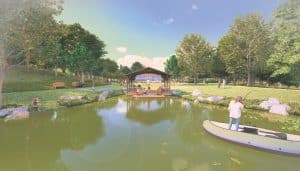
At the heart of the Still Hollow vision is access to fresh, all-natural produce and wellness products through community farms, gardens, and greenhouse systems. These agricultural spaces are intended to support a cooperative produce program that allows residents to enjoy seasonal harvests grown within the neighborhood itself. Wellness and connection to nature are equally central to the community’s design. Trails for hiking and biking weave through preserved green corridors, encouraging daily movement and outdoor exploration. Fishing ponds and natural landscapes provide peaceful places for reflection and recreation.
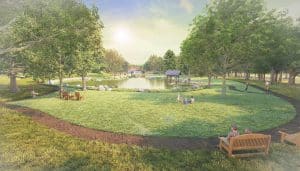
The community plan also includes shared spaces designed to bring residents together throughout the seasons. A community garden and greenhouse complex will serve as gathering points for agricultural activities, while a clubhouse, playground, and open spaces will create opportunities for social connection and neighborhood events.
In many ways, Still Hollow represents a vision of residential living where homes, nature, and agriculture exist in harmony.
A New Model for Neighborhood Design
Agrihood communities represent a meaningful shift in how neighborhoods are imagined and designed. Rather than separating residential development from the land, these communities integrate agriculture and open space into the fabric of daily life. The result is a more balanced relationship between homes, nature, and the people who live there.
As buyers increasingly seek environments that support wellness, sustainability, and meaningful connection, agrihood communities are emerging as one of the most compelling models for the future of residential development. Across the country, agrihood communities are gaining attention as people search for neighborhoods that offer more than just houses and streets. They offer a lifestyle rooted in connection—connection to food, connection to land, and connection to neighbors.
In regions like Chattanooga, where natural beauty and outdoor living already shape the culture, the agrihood concept feels like a natural evolution of community design. For many homebuyers, it represents not just a place to live, but a way of living that blends modern comfort with timeless values.
0 Comments